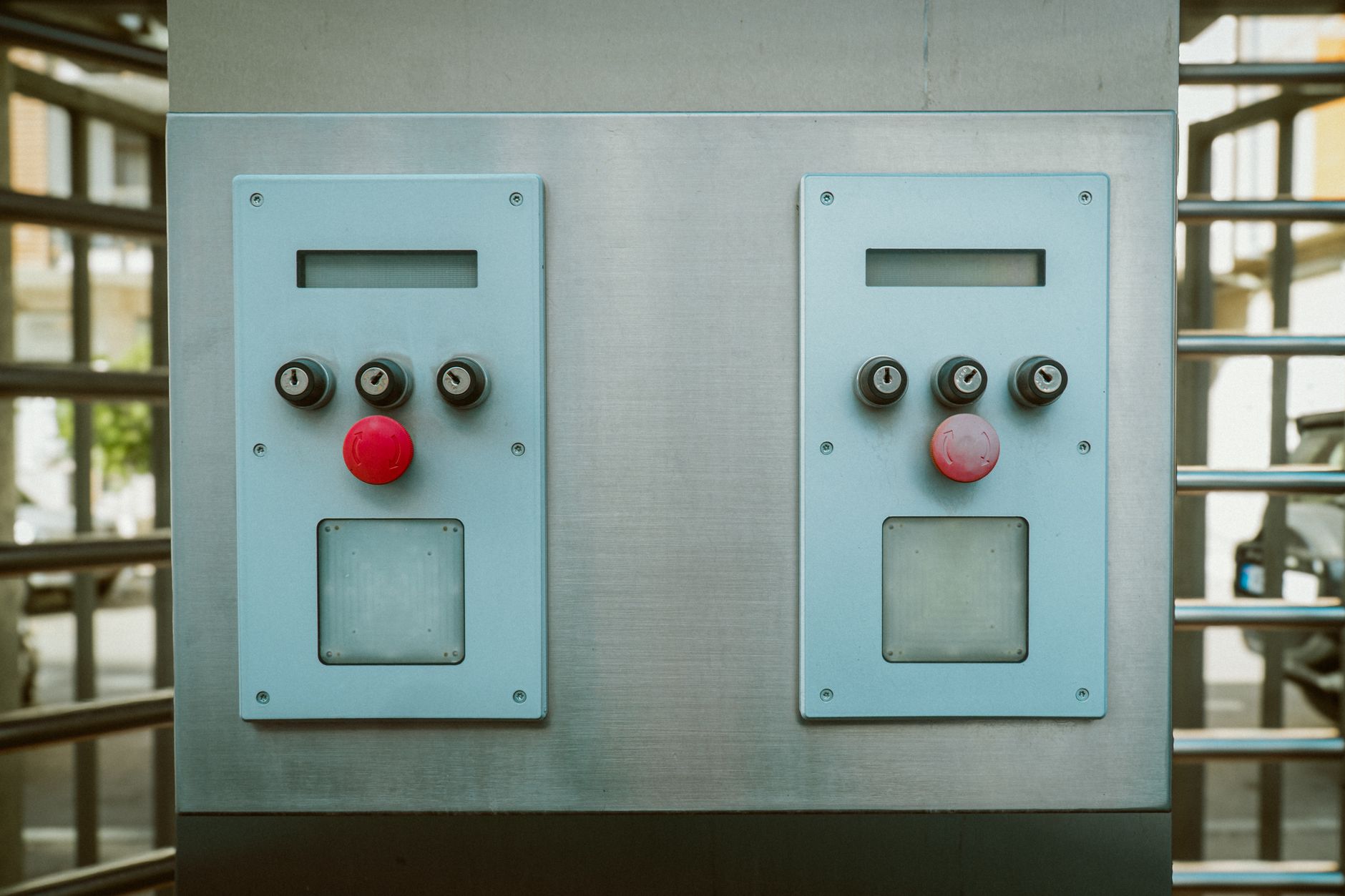
The electronic interlocking system is set to enhance safety at seven stations in the Solapur Division. This project aims to modernize railway operations and improve efficiency.
Overview of the Electronic Interlocking System
The electronic interlocking system is a pivotal advancement in railway signaling technology, ensuring enhanced safety and efficiency in train operations. This innovative system replaces traditional mechanical interlocking with a state-of-the-art digital solution that automates the management of train movements at stations.
Recently, the Indian Railways (IR) has approved the implementation of this system at seven stations within the Solapur Division. This decision reflects a commitment to improving operational safety and reliability across the network.
Key features of the electronic interlocking system include:
- Increased safety: By minimizing human error and providing real-time monitoring, the system significantly reduces the risk of accidents.
- Efficient traffic management: It allows for better coordination of train schedules, leading to improved punctuality.
- Scalability: The system can be expanded to accommodate future growth in railway traffic.
Overall, the electronic interlocking system represents a crucial step forward for the Solapur Division, enhancing the safety and efficiency of its railway operations.
Benefits of Modern Railway Technology
The implementation of modern railway technology, particularly the electronic interlocking system, offers numerous benefits that enhance operational safety and efficiency. This advanced system automates the control of signals and points, significantly reducing the risk of human error.
Key advantages of the electronic interlocking system include:
- Increased safety: By minimizing manual interventions, the system ensures consistent and accurate signal management.
- Improved efficiency: The automation of train operations leads to quicker response times, allowing for smoother traffic flow.
- Reduced maintenance costs: With fewer mechanical components, the need for frequent repairs is diminished, leading to cost savings over time.
- Scalability: The system can be easily integrated into existing infrastructure, making it adaptable for future expansions.
Overall, the electronic interlocking system represents a significant leap forward in railway technology, ensuring safer and more reliable train operations for the Solapur Division.
Impact on Railway Safety Standards
The implementation of the electronic interlocking system in the Solapur Division is set to significantly enhance railway safety standards. This advanced technology replaces traditional mechanical systems, ensuring more reliable train operations. The new system minimizes the chances of human error by automating the control of signals and track switches.
Key impacts on railway safety standards include:
- Improved Signal Management: The electronic interlocking system streamlines communication between trains and control centers, reducing the risk of signal failures.
- Enhanced Operational Efficiency: Faster decision-making processes lead to reduced delays, allowing for safer and more predictable train schedules.
- Increased Monitoring: Real-time data monitoring helps in identifying and addressing potential safety issues before they escalate.
Overall, the introduction of this system is a vital step towards modernizing the railway infrastructure and ensuring the highest safety standards for passengers and freight in the region.
Details of the Solapur Division Project
The Solapur Division Project aims to enhance railway safety and operational efficiency through the implementation of an electronic interlocking system at seven key stations. This advanced technology is designed to manage train movements and ensure that signals and switches are coordinated accurately, minimizing the risk of accidents.
Key features of the project include:
- Automation: The system automates the control of track switches and signals, reducing the reliance on manual operations.
- Real-time Monitoring: Continuous monitoring of train positions allows for quicker response times in emergencies.
- Enhanced Communication: Improved communication between stations ensures timely updates and better coordination among railway staff.
The successful implementation of the electronic interlocking system is expected to significantly improve safety standards within the Solapur Division, benefiting both passengers and railway operators alike.
Future of Railway Infrastructure in India
The future of railway infrastructure in India appears promising, particularly with the introduction of advanced technologies like the electronic interlocking system. As the nation strives to modernize its railway network, this system is expected to play a pivotal role in enhancing operational efficiency and safety.
With the government’s commitment to upgrading railway facilities, several key initiatives are underway to incorporate state-of-the-art signaling systems across various regions. These advancements not only aim to reduce human error but also to streamline train operations, thereby increasing punctuality and reliability.
Moreover, the integration of the electronic interlocking system will ensure better coordination between different trains and minimize the risk of collisions. This is essential for maintaining public trust in rail travel.
As India moves forward, investments in such innovative technologies will likely transform railway transport, making it safer, faster, and more efficient for millions of passengers.
Photo by MuffinLand on Pexels