Beyond Visual Appeal
Residential design has long been judged by what can be seen at first glance—facades, lobbies, and curated interiors meant to impress. Yet for those who actually live in these spaces, visual impact fades quickly. What remains is how a home responds to everyday behavior: where light falls in the morning, how sound travels in the evening, and whether spaces feel intuitive rather than imposed. Increasingly, design philosophy in urban housing is being recalibrated toward lived experience rather than spectacle.
This shift reflects a broader understanding that homes are not static objects. They are environments shaped by routines, moods, and unexpected moments. When design accounts for this fluidity, it becomes less about making statements and more about supporting life as it unfolds.
Designing for Movement, Not Just Space
One of the most overlooked aspects of residential planning is movement. How residents enter, transition, and circulate within a development has a subtle but lasting impact on comfort. Thoughtful layouts prioritize natural progression—clear pathways, gentle transitions between public and private zones, and a sense that one space logically leads to another.
In developments where this philosophy is evident, residents rarely think about navigation. They simply move, instinctively, without friction. Corridors don’t feel like afterthoughts, and shared areas don’t interrupt personal routines. This approach acknowledges that good design often disappears into the background, allowing daily life to take center stage.
Light as a Daily Companion
Natural light is often discussed in technical terms, but its influence is deeply personal. Morning light can set the tone for the day, while softer afternoon illumination supports rest and reflection. Design philosophies that prioritize orientation and openness recognize light as a daily companion rather than a decorative feature.
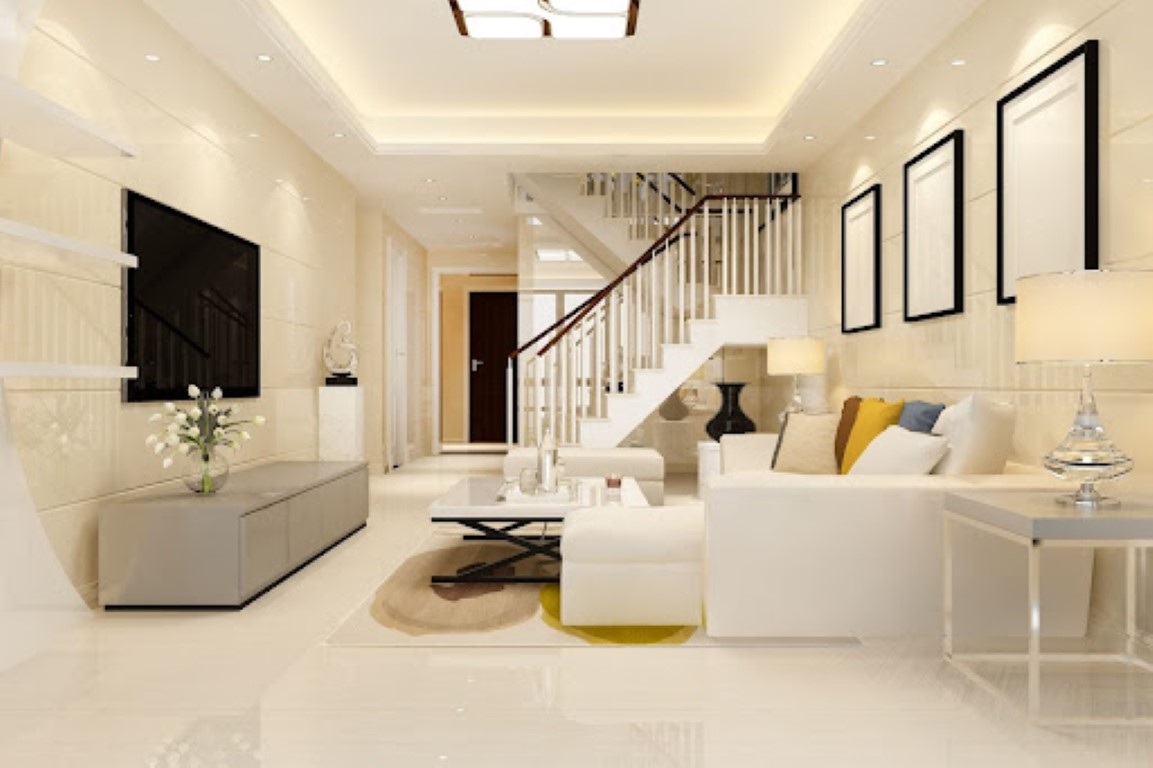
Homes that receive balanced daylight tend to feel calmer and more adaptable. They accommodate different uses throughout the day without requiring constant adjustment. In discussions around residential environments like Lentor Gardens Residences, attention is frequently drawn to how light interacts with interior spaces, not as a selling point, but as a quality that subtly shapes everyday comfort. This kind of consideration signals a move toward design that respects human rhythms.
Privacy Without Isolation
Urban living often forces a trade-off between connection and solitude. Design philosophy today aims to dissolve that binary. Instead of choosing between openness and privacy, contemporary residential planning seeks to layer them. This might mean visual screening without enclosure, or shared spaces that feel welcoming without being intrusive.
When done well, residents can participate in communal life on their own terms. They can observe without engaging, or engage without overexposure. This balance is not accidental; it emerges from careful consideration of sightlines, acoustics, and spatial hierarchy. The result is a living environment that feels socially supportive yet personally respectful.
Materials That Age With Residents
Another quiet evolution in residential design lies in material choice. Rather than chasing novelty, many architects and planners are returning to materials that age gracefully. Surfaces that develop character over time, textures that remain comfortable to the touch, and finishes that don’t demand constant upkeep all contribute to a sense of ease.
This philosophy recognizes that homes are long-term companions. Materials should accommodate wear without looking tired, reflecting the lives lived within them. In neighborhoods where residential developments are expected to mature alongside their communities, this approach ensures that buildings remain relevant and dignified rather than dated.
Context as a Design Partner
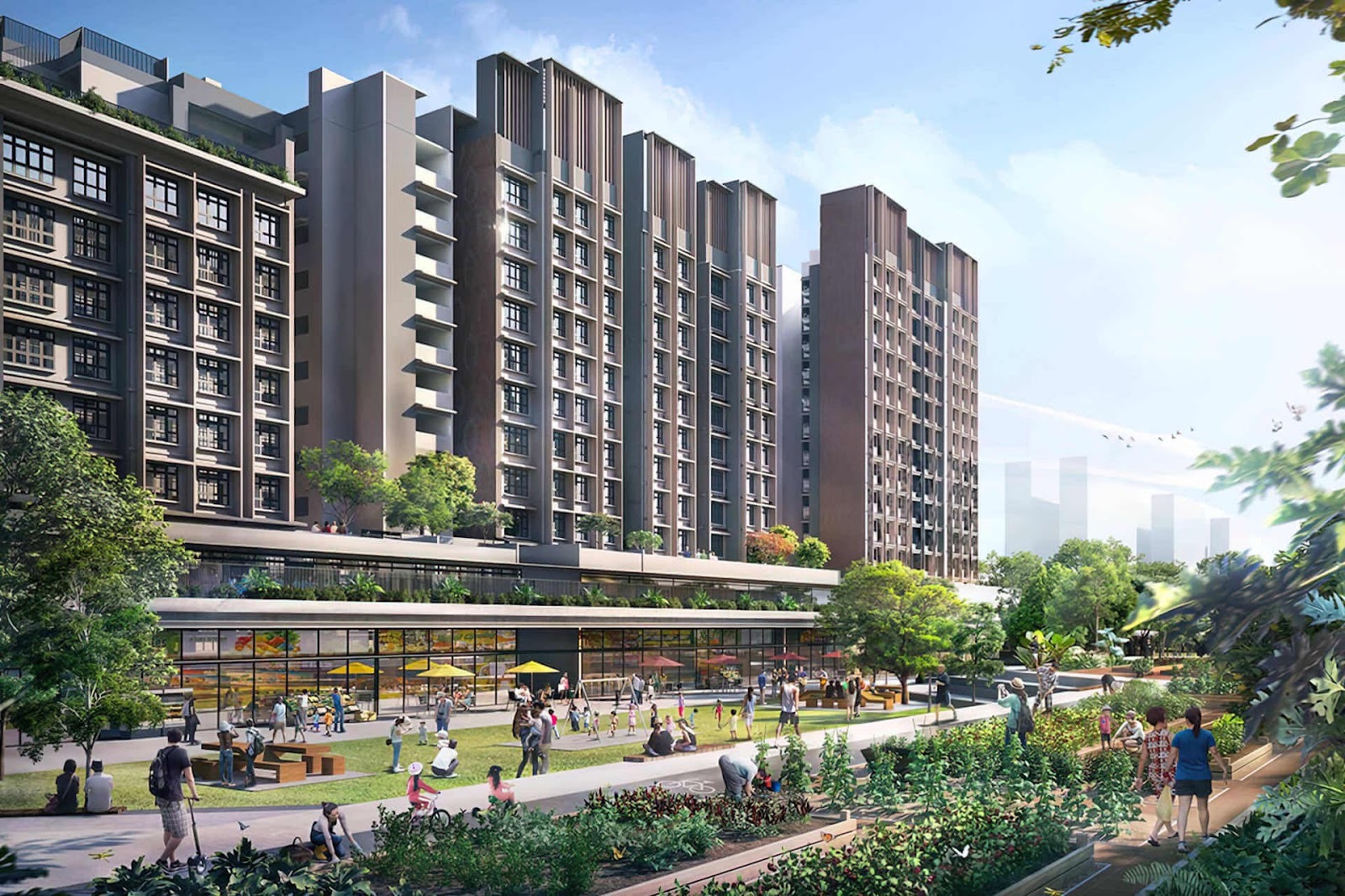
No residential development exists in isolation. Streets, greenery, and surrounding amenities all influence how a home is experienced. A thoughtful design philosophy treats context as a collaborator rather than a constraint. Instead of turning inward defensively, well-integrated residences acknowledge their surroundings through scale, permeability, and visual continuity.
References to Lentor Gardens Residences often emerge in conversations about contextual sensitivity—how residential architecture can complement rather than compete with its environment. This mindset reflects a growing recognition that good design strengthens neighborhoods instead of overshadowing them. When homes feel like a natural extension of their setting, residents are more likely to feel rooted.
Adaptability Over Perfection
Perhaps the most meaningful shift in residential design philosophy is the acceptance of change. Lifestyles evolve, households grow or contract, and work patterns shift. Homes designed with adaptability in mind—spaces that can be reinterpreted rather than rigidly defined—tend to serve residents better over time.
This does not require complexity. Often, it is achieved through simple proportions, flexible layouts, and an absence of overly prescriptive features. By leaving room for interpretation, design empowers residents to shape their environment according to their needs, rather than conforming to a fixed ideal.
The Quiet Success of Thoughtful Design
Design philosophies that prioritize real life rarely announce themselves loudly. Their success is measured in comfort, longevity, and the absence of friction. Residents may not articulate why a place feels right, but they recognize it through ease of living.
As urban housing continues to evolve, the most enduring examples will likely be those guided by restraint and empathy. By anticipating daily patterns and respecting human nuance, residential design can move beyond aesthetics and become something more meaningful: a framework that supports life without demanding attention.