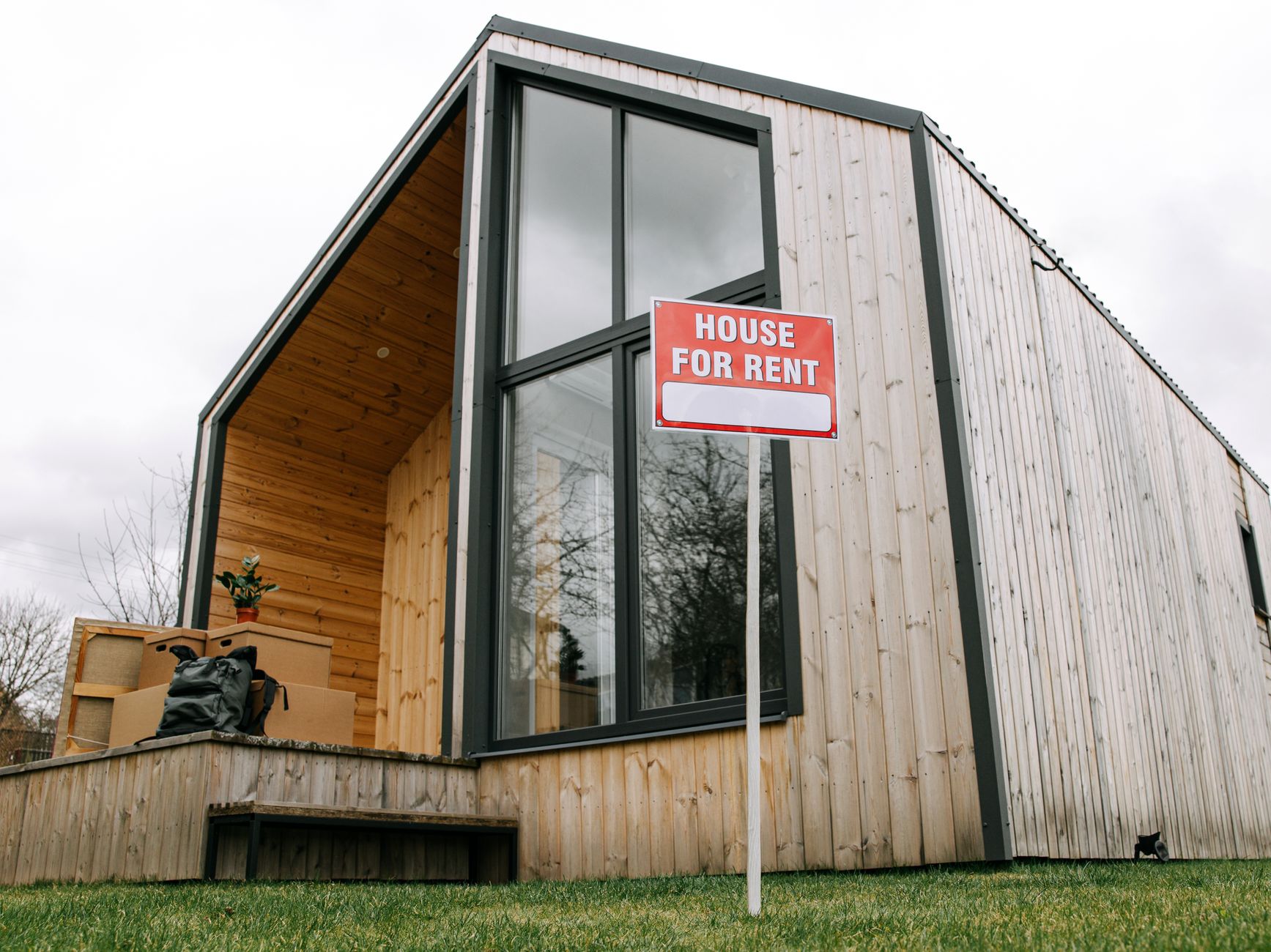
Canada rental market is increasingly influenced by income growth rather than traditional factors like rent price or city size. This shift has significant implications for renters across the country.
Understanding the Canada Rental Market
The Canada rental market has been increasingly affected by various economic factors, significantly influencing affordability for potential tenants. Recent studies indicate that income growth has become a pivotal determinant in assessing rental affordability, overshadowing traditional metrics like rent prices and city size.
As wages fail to keep pace with rising rents, many individuals and families find themselves squeezed out of the housing market. This shift has led to a growing disparity between income levels and the cost of renting in various urban centers across the country. The implications are profound, as more Canadians struggle to find suitable accommodations within their budget.
Several key factors contribute to the current state of the Canada rental market:
- Income Growth: Stagnant wages have made it increasingly difficult for renters to afford rising costs.
- Urbanization: A continuing influx of people into major cities has driven demand for rental properties.
- Rental Supply: A lag in new construction has led to a shortage of available units.
- Economic Conditions: Broader economic uncertainties impact job security and, subsequently, rental capabilities.
Understanding these factors is essential for addressing the challenges within the Canada rental market.
Key Factors Affecting Affordability
The affordability of the Canada rental market is influenced by several key factors that go beyond mere rent prices or the size of cities. Recent studies have highlighted that income growth plays a critical role in determining whether renters can manage their housing expenses effectively.
Some of the most significant factors affecting rental affordability include:
- Income Levels: As incomes stagnate or grow slowly, renters find it increasingly difficult to keep up with rising rental costs.
- Employment Opportunities: Areas with limited job prospects tend to see higher rates of rental burden, as residents struggle to find stable, well-paying work.
- Housing Supply: A lack of affordable housing units can exacerbate the situation, leading to increased competition and higher prices for available rentals.
- Inflation Rates: When inflation rises, so do the costs of living, which can further squeeze renters’ budgets.
- Government Policies: Policies that promote affordable housing development or offer rental assistance can significantly impact overall affordability in the market.
Understanding these factors is essential for addressing the challenges faced by renters in Canada today.
The Role of Income Growth in Rentals
In the current landscape of the Canada rental market, income growth has emerged as a pivotal element influencing affordability. Unlike previous years, where rent prices or the size of the city dictated rental costs, a recent study indicates that income levels are now the primary factor determining what residents can afford.
As rental prices continue to escalate, many Canadians find themselves in a precarious situation where their wages do not keep pace with these increases. This disparity results in a growing proportion of income being allocated to housing, leaving less for other essential expenses.
Key insights from the study reveal:
- Income Stagnation: Many households are experiencing stagnant wages, which hampers their ability to afford rising rents.
- Regional Disparities: Income growth varies significantly across different provinces, affecting rental affordability in urban versus rural areas.
- Impact on Quality of Life: Increasing rents without corresponding income growth leads to difficult choices for many Canadians, impacting their overall quality of life.
Ultimately, the findings underscore the need for policies that not only address rent prices but also focus on enhancing income growth to improve the overall affordability of the Canada rental market.
Comparing Rent Prices and City Size
As the Canada rental market continues to evolve, rent prices vary significantly across different city sizes, impacting overall affordability for renters. In larger cities, such as Toronto and Vancouver, rent prices tend to be considerably higher compared to smaller urban areas and rural locations. This disparity can lead to an increased burden on tenants, forcing many to allocate a larger portion of their income towards housing.
Recent studies indicate that the average rental prices in major metropolitan areas can create a significant gap between desired living conditions and affordability. To illustrate this point, consider the following:
- Toronto: Rent prices for a one-bedroom apartment can reach upwards of $2,500, making it one of the most expensive rental cities in Canada.
- Vancouver: Similar to Toronto, a one-bedroom unit may cost around $2,400, leading to affordability challenges for many residents.
- Calgary: In contrast, a one-bedroom apartment averages about $1,400, reflecting a more manageable rental market.
These comparisons highlight how city size plays a significant role in determining rent prices, which in turn affects the overall affordability in the Canada rental market.
Photo by Ivan S on Pexels