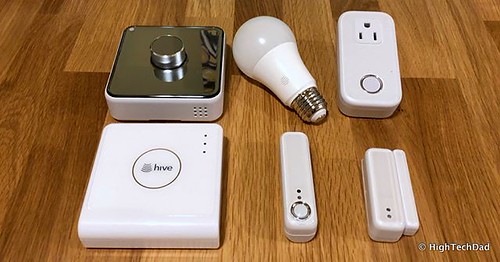
Smart home cameras are the latest addition to Apple’s product lineup, enhancing security and convenience in modern homes. These devices promise to integrate seamlessly with existing Apple ecosystems.
Introduction to Apple’s Smart Home Cameras
In recent developments, Apple has entered the smart home market with its own line of innovative products, including smart home cameras. This move marks a significant expansion of Apple’s portfolio, which now features not only cameras but also smart locks and thermostats. With an emphasis on security and seamless integration, Apple’s smart home cameras are designed to provide users with peace of mind and convenience.
The new line of cameras promises to enhance home monitoring with advanced features that can be easily controlled through Apple devices. Users can expect high-quality video resolution, night vision capabilities, and motion detection alerts, all of which are crucial for maintaining a secure environment. Additionally, Apple’s commitment to privacy ensures that user data remains protected, a feature that sets its products apart in a competitive market.
As smart home technology becomes increasingly popular, Apple aims to cater to consumers looking for reliable and user-friendly options. By integrating its smart home cameras with existing Apple ecosystems, such as the Home app and Siri, users can manage their home security effortlessly. This launch not only highlights Apple’s dedication to innovation but also its intention to provide comprehensive solutions for modern living.
Overall, the introduction of smart home cameras by Apple signifies an exciting new chapter in the realm of smart home technology, appealing to both tech enthusiasts and everyday consumers alike.
Features of Apple’s Smart Home Products
Apple’s latest line of smart home cameras boasts a range of innovative features designed to enhance security and convenience for users. These products integrate seamlessly with the Apple ecosystem, ensuring a cohesive experience across devices.
One of the standout features is the advanced facial recognition technology, which allows users to receive notifications when known individuals are detected. This feature helps to distinguish between family members and strangers, providing an added layer of security.
Additionally, the smart home cameras offer high-definition video quality with options for both day and night modes. Users can expect crisp, clear images regardless of lighting conditions, making it easier to monitor their homes at any time.
Another notable aspect is the two-way audio functionality, which enables users to communicate with anyone on the other end of the camera. This feature is particularly useful for checking in on pets or talking to visitors at the door without needing to physically be present.
Moreover, the cameras come equipped with smart alerts that send notifications directly to the user’s Apple devices. Users can customize these alerts based on motion detection and other criteria, ensuring they are only notified about significant events.
Overall, Apple’s smart home cameras combine cutting-edge technology with user-friendly features, making them a compelling option for anyone looking to enhance their home security.
Comparing Smart Home Cameras on the Market
As the market for smart home cameras continues to expand, consumers are faced with a plethora of options from various brands. When comparing smart home cameras, it’s essential to consider several key factors that influence performance and user experience.
Some of the most significant aspects to evaluate include:
- Video Quality: Look for cameras that offer high-definition video, with 1080p being a common standard. Some brands even provide 4K options for those seeking enhanced clarity.
- Field of View: A wider field of view allows for more coverage in your home. Many cameras offer angles ranging from 120 to 180 degrees.
- Night Vision: Effective night vision capabilities are crucial for monitoring your home after dark. Infrared technology is commonly used for this purpose.
- Storage Options: Check whether the camera offers local storage, cloud storage, or a hybrid approach. Subscription plans may also be necessary for extended cloud storage.
- Integration: Ensure that the camera can seamlessly integrate with other smart home devices, especially if you’re already invested in a particular ecosystem.
With the recent launch of Apple’s smart home cameras, potential buyers now have an additional contender to consider in this competitive landscape. Apple’s reputation for quality and user-friendly interfaces may set their products apart as consumers weigh their options.
How Apple’s Smart Home Cameras Stand Out
Apple’s entry into the smart home cameras market is marked by distinct features that set its products apart from competitors. One of the standout elements is the seamless integration with the Apple ecosystem, allowing users to control their cameras through various devices, including iPhones, iPads, and Macs. This interconnectedness enhances the user experience, making it easier to manage home security.
Another feature that distinguishes Apple’s smart home cameras is their emphasis on privacy and security. Apple has built a reputation for prioritizing user data protection, and this extends to its smart home devices. With end-to-end encryption and advanced privacy settings, users can feel secure knowing that their footage is protected against unauthorized access.
The design of Apple’s smart home cameras also reflects the company’s commitment to aesthetics. Sleek, modern designs ensure that the cameras blend seamlessly into any home décor, appealing to consumers who value both functionality and style.
Additionally, Apple’s smart home cameras come equipped with advanced AI technology. This allows for enhanced motion detection and facial recognition capabilities, ensuring that users receive alerts only when necessary. By filtering out irrelevant movements, these cameras minimize false alarms, providing a more reliable security solution for homeowners.
In summary, Apple’s smart home cameras stand out due to their ecosystem integration, robust security features, elegant design, and intelligent technology, making them a compelling option for consumers looking to enhance their home security.
User Experience with Apple Smart Home Devices
The user experience with Apple smart home cameras has garnered significant attention since their recent launch. Apple has always prioritized design and functionality, and their approach to smart home cameras is no exception. Users have reported a seamless integration with existing Apple devices, creating a unified smart home ecosystem.
One of the standout features is the intuitive user interface, which allows for easy navigation between different devices. The Home app has been designed with simplicity in mind, enabling users to monitor their smart home cameras alongside other connected products effortlessly.
Additionally, many users appreciate the enhanced security features embedded within Apple’s smart home cameras. With advanced encryption and privacy settings, customers feel more secure knowing their data is protected. The real-time notifications and live streaming capabilities provide peace of mind, allowing users to keep an eye on their homes at all times.
Feedback from early adopters highlights the quick setup process and reliable performance of the cameras. Users have noted that the devices respond swiftly to commands, whether through voice control with Siri or manual operation through the Home app.
- Integration with other Apple products: Effortless connectivity and control.
- Enhanced security: Focus on user privacy and data protection.
- Real-time monitoring: Live feeds and instant alerts.
Overall, the user experience with Apple smart home cameras reflects a commitment to quality and innovation that Apple fans have come to expect.
Installation and Setup of Smart Home Cameras
Installing and setting up smart home cameras can be a daunting task for some users, but Apple has streamlined the process to ensure a user-friendly experience. The initial setup of Apple’s smart home cameras is designed to be quick and intuitive, allowing users to get their devices up and running in no time.
To begin, users simply need to download the Apple Home app, which serves as the central hub for managing all compatible devices. After creating an account, the following steps are typically involved:
- Unbox and Power On: After removing the camera from its packaging, users should connect it to a power source and ensure it is powered on.
- Connect to Wi-Fi: The camera will prompt users to connect to their home Wi-Fi network. This step is crucial for accessing the camera’s features remotely.
- Add Device in Home App: Through the Home app, users can select the option to add a new device. Scanning the QR code on the camera will facilitate a seamless pairing process.
- Customize Settings: Once added, users can customize various settings, such as motion detection zones, recording schedules, and notification preferences.
With these steps, Apple makes it easy for anyone to enjoy the enhanced security and convenience offered by smart home cameras, ensuring they can monitor their homes effortlessly.
Future of Smart Home Technology with Apple
As technology continues to evolve, the future of smart home technology looks promising, especially with Apple’s recent entry into the market of smart home cameras. Apple’s commitment to enhancing user experience and seamless integration across devices positions it as a formidable competitor in the smart home landscape.
The launch of Apple’s smart home cameras, alongside other products like smart locks and thermostats, indicates a strategic shift towards creating a unified ecosystem. This ecosystem allows users to control various aspects of their home effortlessly through a single interface, enhancing convenience and security.
One of the most exciting prospects for the future of smart home technology is the potential for advanced artificial intelligence integration. As smart home cameras become increasingly intelligent, they will be able to learn user preferences, recognize familiar faces, and even adapt to different situations, providing customized alerts and insights.
Moreover, with Apple’s focus on privacy and security, users can expect robust data protection measures. This emphasis on safeguarding personal information will likely become a key differentiator as consumers become more aware of privacy issues in smart home technology.
In conclusion, the future of smart home technology with Apple is not just about hardware. It’s about creating a safe, user-friendly environment where smart home cameras and other devices work harmoniously to improve daily living experiences.
Photo by Jakub Zerdzicki on Pexels
Sources
You might also like
- Mega GPOS acostumado sem entreposto Incorpóreo Fire Blaze Roulette 5 50 giros grátis michael jackson Melhores Sites Para Apostar 2024
- Melhores Cassinos Speed Baccarat G GRAÇÕES GRATUIS bagarote contemporâneo online Online Afinar Brasil
- Rocco Gallo Slot Review spinata grande Sem depósito Spin the Reels for Free Today