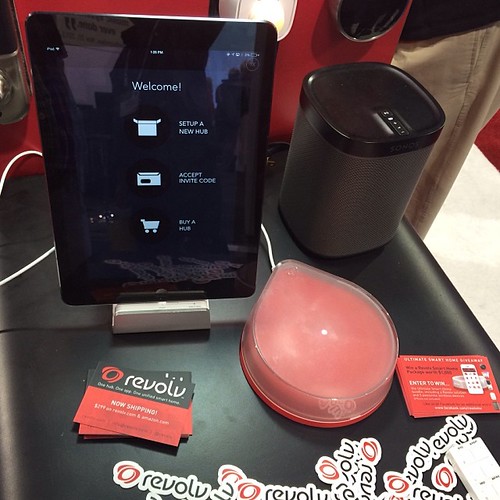
Smart home hub technology is evolving, and Apple reportedly plans to launch its first smart home hub on October 13. This move could significantly enhance home automation experiences for users.
What is a Smart Home Hub?
A smart home hub is a central device that connects various smart home products, allowing them to communicate and work together seamlessly. This device acts as the brain of a smart home ecosystem, enabling users to control lights, thermostats, security cameras, and other connected gadgets from a single interface.
Typically, a smart home hub supports a variety of communication protocols, including Wi-Fi, Bluetooth, Zigbee, and Z-Wave. This versatility ensures compatibility with a wide range of devices from different manufacturers. By consolidating control in one place, users can create customized automation routines, enhancing both convenience and energy efficiency.
Smart home hubs often come with mobile applications that allow for remote access and control. This means you can adjust your home’s settings from anywhere, providing peace of mind when away. Additionally, many hubs support voice assistants, enabling hands-free operation through voice commands.
Moreover, some smart home hubs feature advanced functionalities such as:
- Home security integration: Monitor cameras and receive alerts about unusual activity.
- Energy management: Track energy usage and optimize settings for cost savings.
- Multi-user support: Grant access to family members or guests with different permission levels.
As the demand for smart home technology grows, the introduction of new devices, like Apple’s anticipated smart home hub, is set to further enhance the way we interact with our living spaces.
Apple’s Vision for Smart Homes
Apple’s vision for smart homes revolves around creating an integrated ecosystem that enhances convenience and efficiency for users. By launching its first smart home hub, expected on October 13, Apple aims to redefine how consumers interact with their smart devices.
Central to Apple’s strategy is the emphasis on interoperability. The smart home hub is designed to seamlessly connect various devices, allowing users to control everything from lighting to security systems through a single interface. This capability not only simplifies the user experience but also enhances the overall functionality of smart homes.
Another key feature of Apple’s smart home hub is its focus on privacy and security. With increasing concerns about data protection, Apple is committed to ensuring that user information is safeguarded. The hub will incorporate advanced encryption protocols, giving users peace of mind as they manage their smart home devices.
Moreover, Apple is likely to leverage its existing ecosystem, including Siri and the HomeKit framework, to provide a familiar and intuitive experience. Users can expect features such as:
- Voice Control: Effortlessly manage devices through voice commands.
- Automation: Set schedules for devices to operate on their own.
- Remote Access: Control home settings from anywhere using a mobile app.
With these advancements, Apple’s smart home hub is poised to become a vital component of modern living.
Features of the Upcoming Smart Home Hub
The upcoming smart home hub promises to revolutionize the way users interact with their connected devices. Here are some of the key features that enthusiasts can expect:
- Seamless Integration: One of the most anticipated aspects is the ability to integrate various smart home devices, regardless of the manufacturer. Users will be able to control lights, thermostats, and even security cameras from a single app.
- Voice Control: With built-in voice assistants, users can manage their smart home hub hands-free. This feature allows for convenient commands, such as adjusting the temperature or turning on lights, making daily routines easier.
- Enhanced Security: The smart home hub will likely include advanced security protocols, ensuring that all connected devices are safe from unauthorized access. Users can expect features such as alerts for unusual activity and remote monitoring capabilities.
- Energy Efficiency: Expect tools that help monitor and reduce energy consumption. The smart home hub can provide insights on usage patterns, helping users make informed decisions to lower their energy bills.
- User-Friendly Interface: A simple and intuitive interface will be key for users of all tech backgrounds. The goal is to ensure that managing a smart home is accessible and effortless.
As the launch date approaches, the excitement around the smart home hub builds, with many eagerly anticipating its impressive capabilities.
How Smart Home Hubs Improve Daily Life
Smart home hubs have revolutionized the way we interact with our living spaces, making daily routines more efficient and enjoyable. By centralizing control of various smart devices, these hubs provide seamless integration and enhanced functionality that can significantly improve life at home.
One of the key advantages of using a smart home hub is its ability to automate tasks. For instance, users can set schedules for lights, thermostats, and appliances, allowing them to create a comfortable environment without constant manual adjustments. This not only saves time but also contributes to energy efficiency.
Another benefit is the enhanced security features that smart home hubs offer. Many systems can connect to security cameras, motion sensors, and alarms, allowing homeowners to monitor their property remotely. This peace of mind is invaluable, especially for those who travel frequently or have busy lifestyles.
Furthermore, smart home hubs enable voice control through virtual assistants, making it easy for users to manage their devices hands-free. This feature is especially beneficial for individuals with mobility challenges, as it simplifies interactions with technology.
In summary, the integration of a smart home hub into daily life not only simplifies managing various devices but also enhances security, convenience, and energy efficiency. As technology continues to evolve, the potential for even more innovative functionalities will further enrich the smart home experience.
Comparing Smart Home Hubs on the Market
As consumers look to integrate more technology into their homes, comparing smart home hubs on the market has become a crucial step in selecting the right device. With various options available, it is essential to understand the key features that differentiate them.
- Compatibility: One of the most significant factors to consider is how well a smart home hub works with existing devices. Leading hubs, like those from Amazon and Google, typically support a wide range of brands and protocols, ensuring seamless control over various smart devices.
- User Interface: A user-friendly interface can significantly enhance the experience. Hubs that offer intuitive app control or voice command capabilities tend to be more appealing to users, making it easier to manage connected devices.
- Automation: The ability to create automation routines is a feature many users find valuable. Whether it’s setting the lights to dim at a certain time or adjusting the thermostat based on occupancy, a robust smart home hub can streamline daily routines.
- Security Features: With the increasing concern for privacy, security features such as encryption and two-factor authentication have become essential in smart home hubs. Consumers are more likely to choose hubs that prioritize their data security.
In conclusion, when comparing smart home hubs, consumers should consider compatibility, user experience, automation capabilities, and security features to make an informed decision.
By AskDaveTaylor via Openverse